




At Elite Performance Therapy in Hereford, one of the most common questions we hear is, “How long will this injury take to heal?”
Whether you’ve rolled an ankle on a run, strained a muscle in the gym, or tweaked your back while gardening, soft tissue injuries are incredibly common. But what actually happens inside your body when tissues get injured? More importantly, how long does healing take, and what can you do to support the process?
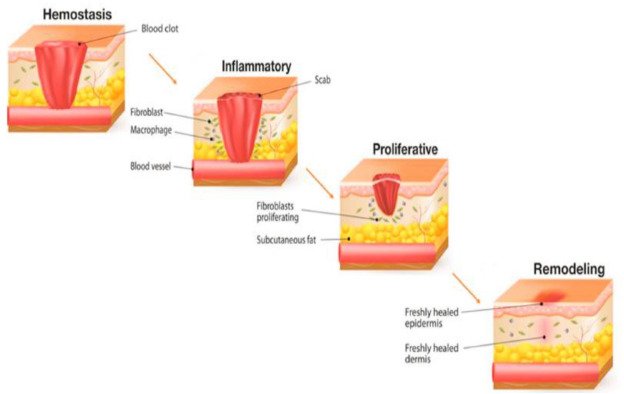
Understanding the four stages of tissue healing can help you manage expectations, avoid setbacks, and make better decisions during recovery.
What Are Soft Tissues?
Soft tissues include muscles, tendons, ligaments, fascia, and other connective tissues throughout the body. These structures help us move, absorb force, and provide stability. When they are overloaded, stretched beyond their capacity, or subjected to trauma, damage occurs at a cellular level.
Although every injury is unique, the body generally follows four predictable stages of healing.
It’s important to remember that these stages often overlap and don’t occur in neat, separate blocks. The timelines below are general guidelines, and healing rates vary from person to person.
Stage 1: Bleeding (Immediate Response)
The first stage occurs immediately after injury and typically lasts for a few hours.
When tissue is damaged, small blood vessels rupture, causing bleeding into the surrounding area. This may be visible as bruising or swelling, depending on the severity and location of the injury.
While bleeding might sound concerning, it’s actually an important part of the healing process. Blood carries platelets and essential healing factors that help initiate repair.
What it means for you:
- Swelling and tenderness are normal.
- Protecting the injured area is important.
- Avoid excessive movement that could increase bleeding.
- Early management strategies such as compression and elevation may help limit excessive swelling.
Stage 2: Inflammation (Days 1-7)
Inflammation often gets a bad reputation, but it’s a critical step in healing.
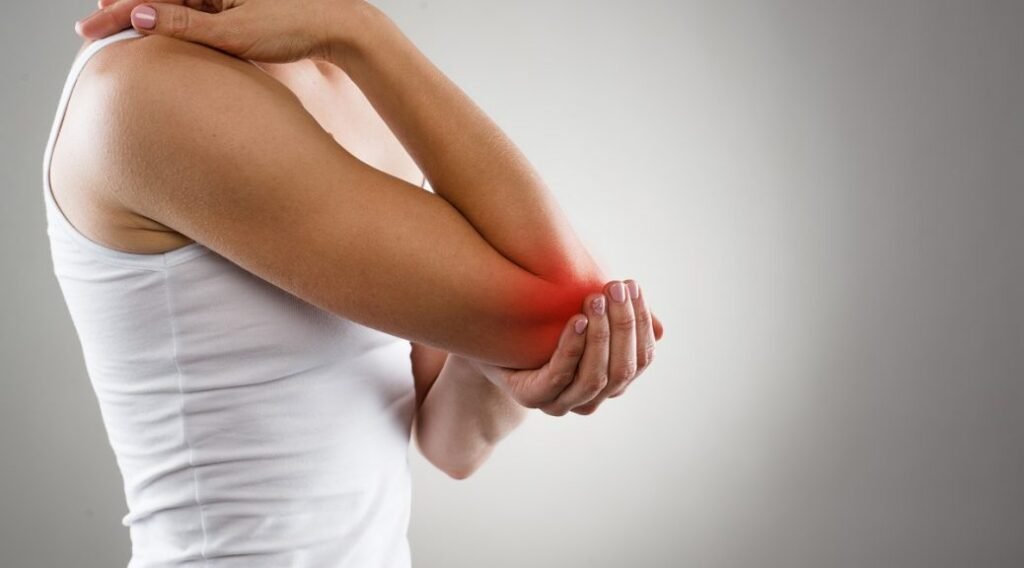
During this phase, the body’s immune system sends specialised cells to the injured area. These cells remove damaged tissue, fight potential infection, and prepare the site for repair.
Common signs of inflammation include:
- Pain
- Swelling
- Heat
- Redness
- Reduced movement
Many people become concerned when symptoms seem to worsen during this period. However, some inflammation is necessary and beneficial.
What it means for you:
- Pain and stiffness are expected.
- Complete rest is rarely the best option unless advised by a healthcare professional.
- Gentle, pain-free movement can often support circulation and recovery.
- Patience is key – this stage lays the foundation for everything that follows.
Stage 3: Proliferation (Repair Phase)
The proliferation stage typically begins within the first week and can last several weeks.
This is when the body starts rebuilding damaged tissue. Specialised cells called fibroblasts produce collagen, the primary building block of connective tissue. New blood vessels also develop to improve nutrient delivery and support healing.
At this stage, the new tissue is relatively weak and disorganised. Think of it as scaffolding rather than a finished structure.
Many people begin to feel significantly better during this phase, which can create a false sense of recovery.
What it means for you:
- Symptoms often improve noticeably.
- Returning to full activity too quickly can re-injure the tissue.
- Progressive rehabilitation becomes important.
- Appropriate loading through exercise helps guide tissue repair and strength development.
This is often where sports therapy plays a valuable role, ensuring exercises are introduced at the right time and intensity.
Stage 4: Remodelling (Maturation Phase)
The final stage can last anywhere from several weeks to many months, depending on the tissue involved and the severity of the injury.
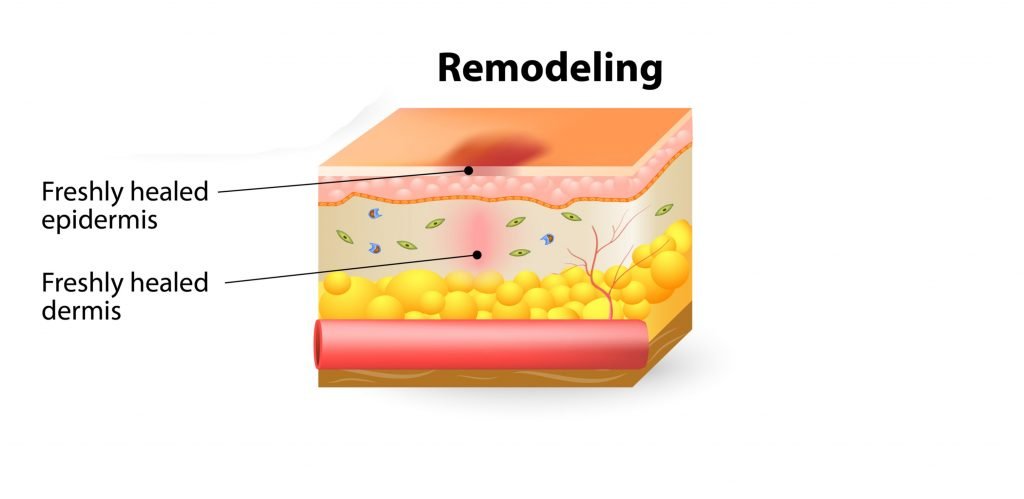
During remodelling, the body reorganises and strengthens the collagen fibres that were laid down during the repair phase. The tissue gradually becomes more resilient and better able to tolerate everyday activities and sporting demands.
Although pain may have disappeared, healing is often still taking place beneath the surface.
What it means for you:
- Feeling better does not always mean fully healed.
- Strength, mobility, balance, and movement quality should continue to be addressed.
- Gradual progression back to sport and exercise reduces the risk of recurrence.
- Consistency is often more important than intensity.
This stage is where long-term recovery and injury prevention are built.
Why Understanding Tissue Healing Matters
One of the biggest frustrations after an injury is not knowing what to expect. Many people either return to activity too quickly or avoid movement for too long. Both approaches can delay recovery.
By understanding the stages of tissue healing, you can appreciate that recovery is a process rather than a single event. Each stage has a purpose, and the body needs time to move through them.
At Elite Performance Therapy, our sports therapists help people across Hereford recover from injuries, reduce pain, restore function and return to the activities they enjoy with confidence.
Need Help Recovering From An Injury?
If you’re struggling with a muscle strain, ligament injury, sports injury, back pain or ongoing aches and pains, getting the right advice at the right stage of healing can make a huge difference to your recovery.
At Elite Performance Therapy, our team can assess your injury, explain exactly where you are in the healing process and create a personalised treatment and rehabilitation plan to help you recover safely.
✔ Sports injuries
✔ Back and neck pain
✔ Muscle strains and ligament injuries
✔ Running injuries
✔ Football and rugby injuries
✔ Rehabilitation and return-to-sport programmes
Book your appointment today here, we would love to help!!