




You played a blinder yesterday. Or maybe you didn’t — either way, you woke up this morning and your legs feel like they’ve been replaced with concrete. The stairs are a challenge. Getting out of the car takes planning. Sound familiar?
Most Sunday league players do one of two things the day after a match: absolutely nothing, or try to “run it off.” Both are mistakes. What you do in the 12–24 hours after a game has a significant impact on how quickly you recover, how you feel at training on Wednesday, and — crucially — whether that niggle in your hamstring stays a niggle or turns into something that keeps you out for six weeks.
Here’s what you should actually be doing!
1. Rehydrate Properly — and Don’t Count the Post-Match Pint
Let’s be honest. After a Sunday morning kick-off, the immediate recovery strategy often involves a trip to the pub. That’s fine — it’s part of the culture and part of why most of us are still playing at 35. But alcohol is a diuretic, and if you spent 90 minutes sweating on a pitch, you were already dehydrated before the first round was poured.
Dehydration doesn’t just make you feel rough. It slows down the transport of nutrients to your muscles, reduces the efficiency of the repair process, and makes delayed onset muscle soreness (DOMS) significantly worse.
The goal on the day after a match is to get back to full hydration. Aim for at least 2–3 litres of water throughout the day, more if you had a heavy night.
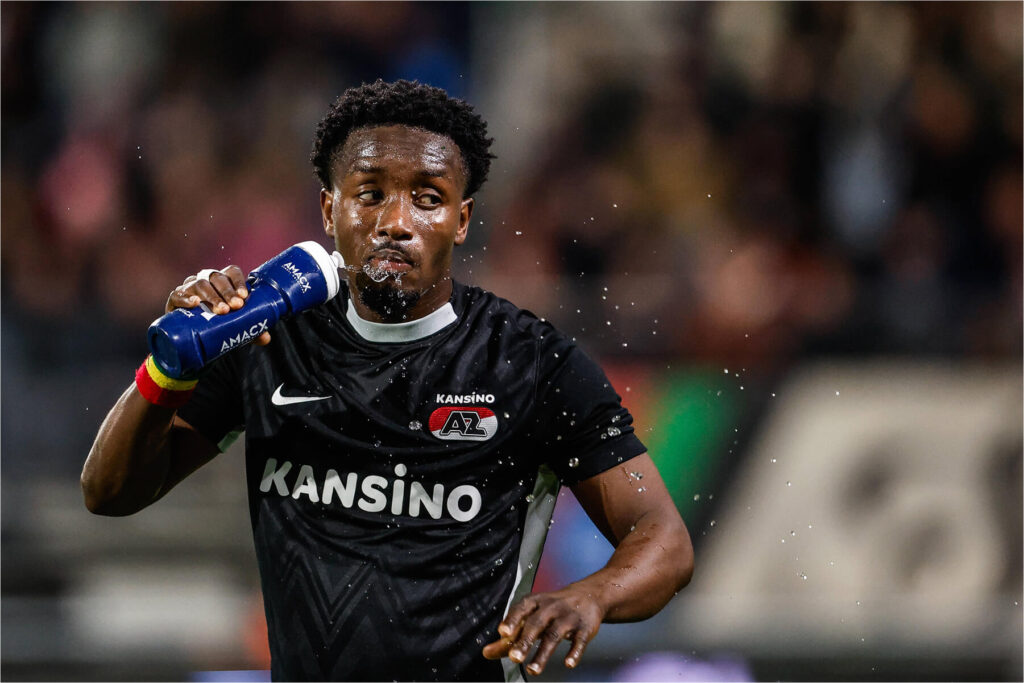
TOP TIPS ! Electrolyte drinks or coconut water can help replace what you lost through sweat. If your urine is still dark yellow by lunchtime, you haven’t had enough.
2. Eat to Recover, Not Just to Recover from the Night Before
The classic Sunday morning full English has more going for it than you might think — protein and carbohydrates are exactly what your muscles need.
The problem is timing. – Most players either skip breakfast entirely or eat so late in the day that the window for optimal muscle repair has long passed.
Your muscles are most receptive to nutrients in the hours immediately following exercise. By the next morning that window has narrowed, but it hasn’t closed. Getting a decent meal with quality protein (eggs, chicken, Greek yoghurt) and slow-release carbohydrates (oats, wholegrain bread, sweet potato) within a couple of hours of waking will meaningfully support your recovery.
Avoid the temptation to eat very little because you feel sluggish. Your muscles need fuel to repair. Undereating the day after a match is one of the most common recovery mistakes we see in grassroots players.
3. Do a Gentle Movement Session — Not a Run, Not the Sofa
This is the one that surprises most people. Complete rest the day after a match is not the best approach. The lactic acid and metabolic waste products that built up during the game need to be flushed out, and the best way to do that is gentle, low-intensity movement that increases blood flow without adding further stress to the muscles.
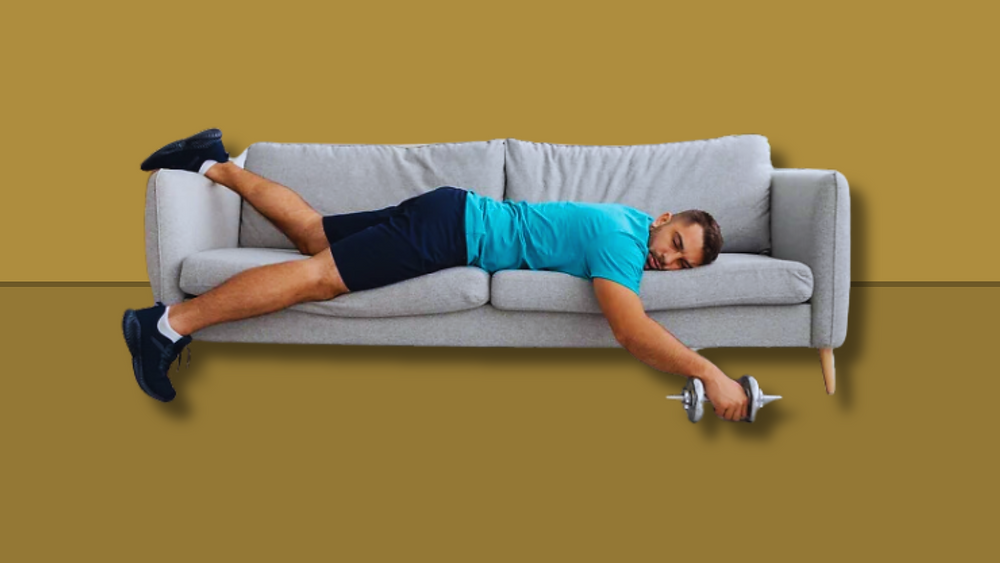
This doesn’t mean a 5k run. It means a 20-minute walk, a slow cycle, or a light swim. Think of it as getting the body moving without loading it. This kind of active recovery accelerates the clearance of inflammation and reduces the severity of DOMS. Players who do it consistently report feeling noticeably better by Tuesday than those who spend Sunday on the couch.
If you’ve got access to a pool, gentle swimming is particularly good — the buoyancy unloads your joints while the movement works the whole body.
4. Spend 10 Minutes on Targeted Stretching and Soft Tissue Work
Most Sunday league players stretch for about 30 seconds before a game and never again. If that describes you, this is one of the easiest habits you can add to actually make a difference.
After a match, your muscles have been repeatedly contracting under load. Hamstrings, hip flexors, calves, and adductors in particular tend to shorten and tighten. If left unaddressed, this tightness compounds over weeks and months — and it’s one of the main reasons players in their 30s start getting recurring soft tissue injuries that their 22-year-old teammates don’t seem to.
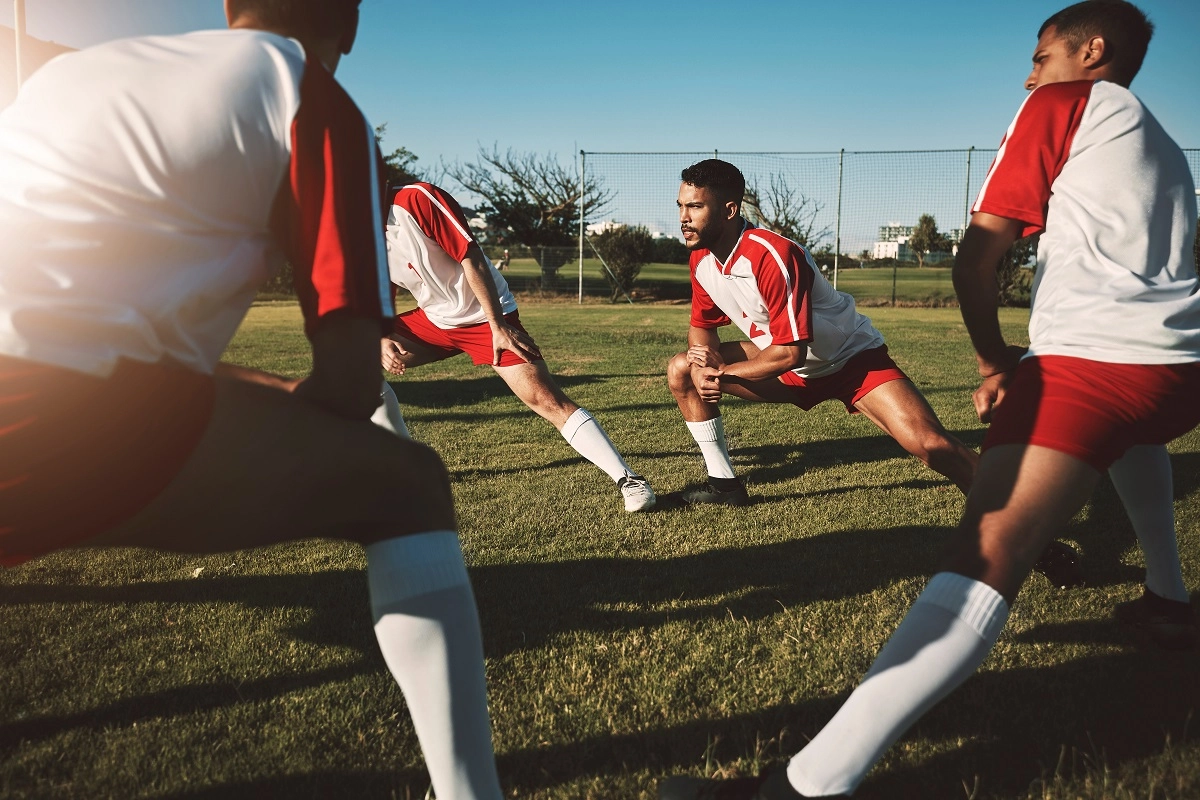
The day after a match, spend 10 minutes on the muscle groups that did the most work. Long-hold static stretches (30–60 seconds) are appropriate at this point rather than dynamic stretching. If you have a foam roller or massage ball, even 5 minutes on your quads and calves can make a real difference to how you feel by midweek.
5. Assess Your Body — and Don’t Ignore What It’s Telling You
This is the most important one, and the most ignored.
The day after a match is the best time to take stock of how your body is actually doing. DOMS — the generalised ache that sets in 24–48 hours after exercise — is normal and expected. But there’s a difference between DOMS and a genuine injury that’s starting to develop.
Ask yourself: is there anything that’s more than just muscle soreness? Is there a specific point of pain, swelling, restricted range of movement, or something that felt wrong during the game that you pushed through? If the answer is yes to any of those, that’s worth paying attention to — not next week, now.
The vast majority of serious soft tissue injuries in grassroots football — the hamstring tears, the groin strains, the ankle problems that take months to resolve — didn’t come out of nowhere. They came from smaller warning signs that were ignored over several weeks. Getting on top of something early is almost always faster, cheaper, and less painful than managing the fallout of a full injury.
If something doesn’t feel right, or if you’ve been carrying a niggle for more than two or three weeks, it’s worth getting it assessed properly.
A Note on Recovery for Players Over 30
If you’re in your 30s (or beyond), everything above applies — and matters more. Recovery takes longer as we age, and the margin for error is smaller. The players who keep playing well into their late 30s and beyond aren’t necessarily more talented or fitter. They’re usually just more deliberate about recovery.
Adding even a couple of these habits consistently over a season makes a compounding difference to how your body holds up.
Need Help with a Niggle or Injury?
Jake Leonard is a Sports Therapist at Elite Performance Therapy in Hereford, with an MSc in Sports Therapy and extensive experience working in elite football academies. He specialises in soft tissue injury rehabilitation, biomechanical assessment, and return-to-sport programmes.
Whether you’re dealing with a recurring injury, something that came up in yesterday’s game, or just want a proper assessment to understand what’s going on with your body — Jake is now available at our clinic in Shucknall.