




At Elite Performance Therapy, we often see clients—from weekend warriors and gym enthusiasts to professional athletes—struggling with tight hamstrings. This common issue can limit your mobility, reduce performance, and increase injury risk. But the good news? You don’t have to accept it as inevitable, and simply stretching more isn’t always the solution.
In this blog, we’ll explore what causes tight hamstrings, their symptoms and impacts, and proven strategies to restore flexibility and strength. Drawing on our expertise in remedial massage, sports massage, medical acupuncture, and holistic rehabilitation, we’ll show you how a comprehensive approach can help you move better and perform at your best.
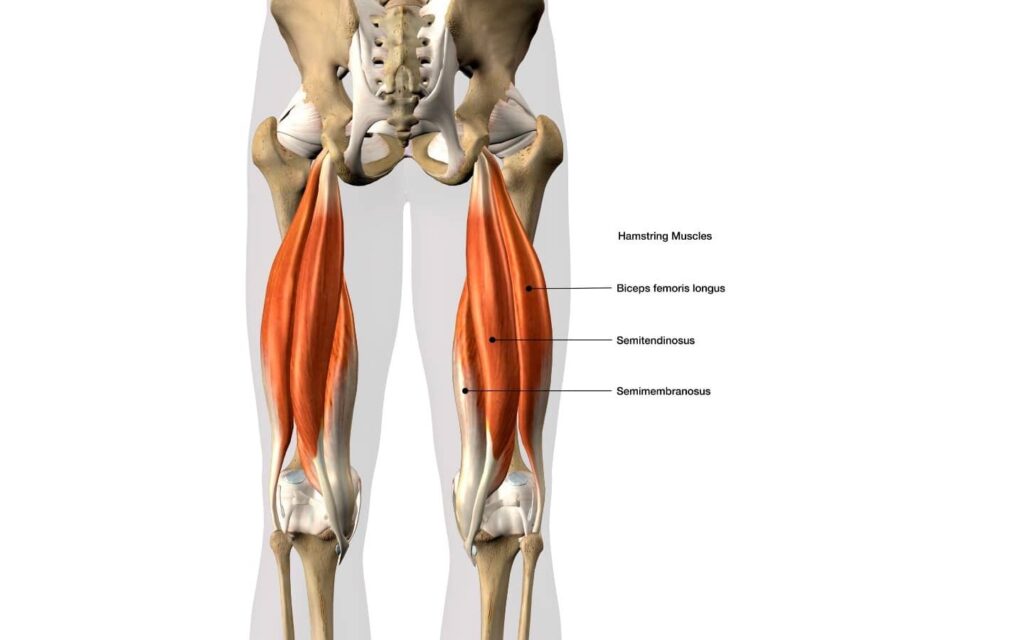
Understanding Tight Hamstrings
The hamstrings are a group of three muscles at the back of your thigh: the biceps femoris, semitendinosus, and semimembranosus. They play a key role in knee flexion, hip extension, and pelvic stability—essential for running, jumping, lifting, and everyday movements.
“Tight” hamstrings feel shortened or restricted, reducing your range of motion. This isn’t always due to the muscles being overly short; it can stem from protective tension, imbalances, or neural factors.
Common Causes of Tight Hamstrings
Tight hamstrings affect people of all activity levels. Key contributors include:
- Prolonged sitting or sedentary habits: Hours at a desk, driving or working as a pilot keep hamstrings in a shortened position, leading to adaptive tightness.
- Overuse in sports or training: Repetitive activities like running, cycling, or squats can overload the muscles.
- Muscle imbalances: Weak glutes, core, or overly dominant quads force hamstrings to compensate.
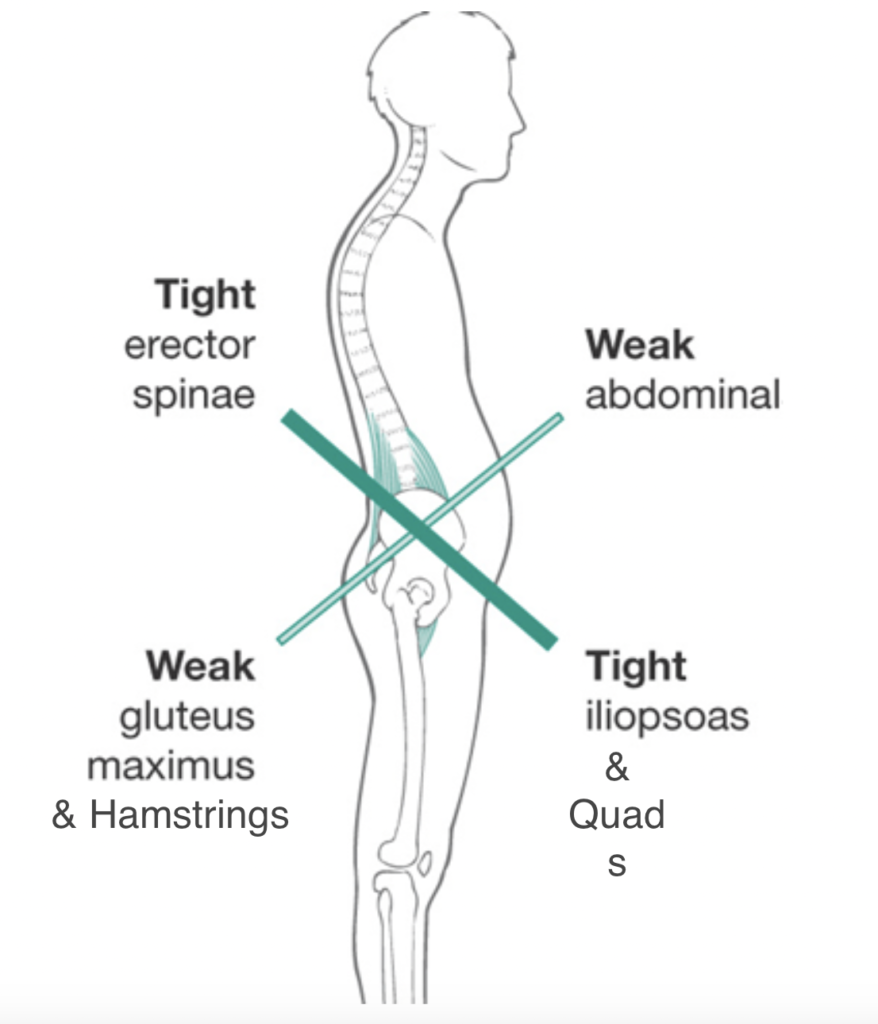
- Poor posture or alignment: Anterior pelvic tilt or lower back issues increase hamstring tension.
- Inadequate warm-up/cool-down: Skipping dynamic preparation or recovery stretches heightens risk.
- Neural tension: Restricted sciatic nerve mobility can cause protective hamstring tightness.
Ignoring these root causes often makes endless stretching ineffective.
Symptoms to Watch For
You might experience:
- Stiffness or tension in the back of the thighs
- Reduced flexibility (e.g., difficulty touching your toes)
- Lower back pain
- Limited hip or knee movement
- Higher risk of strains during activity
Left unaddressed, this can lead to chronic issues, postural problems, or compensatory injuries.
How Tight Hamstrings Affect Performance and Health
Tight hamstrings disrupt more than just leg movement:
- Reduced athletic output: Shorter stride in running, less power in lifts like deadlifts, or impaired agility in sports.
- Increased injury risk: Strains, tears, knee issues, or lower back pain from altered mechanics.
- Daily limitations: Difficulty with bending, walking, or prolonged standing.
- Whole-body effects: Compensation patterns can strain hips, knees, or the spine.

A Holistic Approach to Relief at Elite Performance Therapy
Stretching alone rarely solves chronic tightness—research shows strengthening, manual therapy, and addressing imbalances often yield better results.
At Elite Performance Therapy, Isobel Fergusson, our skilled remedial massage therapist with over 20 years of experience, takes a collaborative, full-body view. For example, one client—a dedicated golfer—came in with persistent hamstring tightness linked to an old shoulder injury affecting his kinetic chain. By treating the shoulder and core first, we resolved the hamstring issue without direct manipulation, improving his swing and flexibility dramatically.
Effective strategies we recommend and use:
- Sports and remedial massage: Releases tension, improves blood flow, and targets adhesions.
- Strengthening exercises: Focus on glutes, core, and eccentric hamstring work for better balance.
- Dynamic mobility: Warm-ups and movement patterns to enhance neural glide.
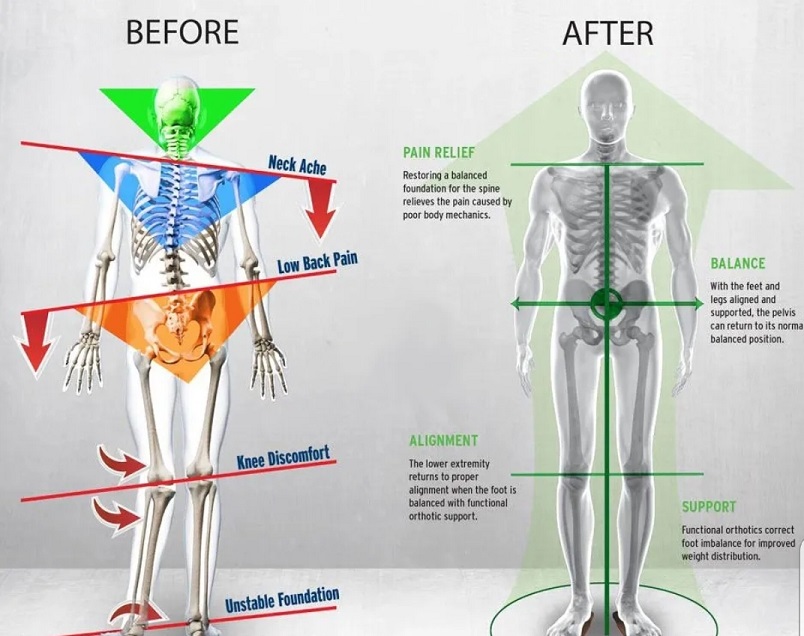
- Postural correction: Addressing pelvic tilt or sitting habits.
- Personalised rehab: Tailored plans to prevent recurrence.
Ready to Loosen Up and Perform Better?
If tight hamstrings are holding you back, here at Elite Performance Therapy we can help identify the cause and create a custom plan. Whether through deep tissue sports massage, targeted exercises, or integrated care, we’ll get you moving freely again.
Contact us here to book your appointment and take the first step towards pain-free living—we’re here to support your goals!