




Medical acupuncture, also known as dry needling, is gaining traction across the UK as a fast, drug-free alternative for managing chronic and acute pain. Proven to release muscle knots, restore mobility, and ease tension, it’s fast becoming a go-to for headache sufferers.
Let’s explore how it works, who it helps, and what to expect.
Why Headaches Persist – and Why Painkillers Aren’t Enough
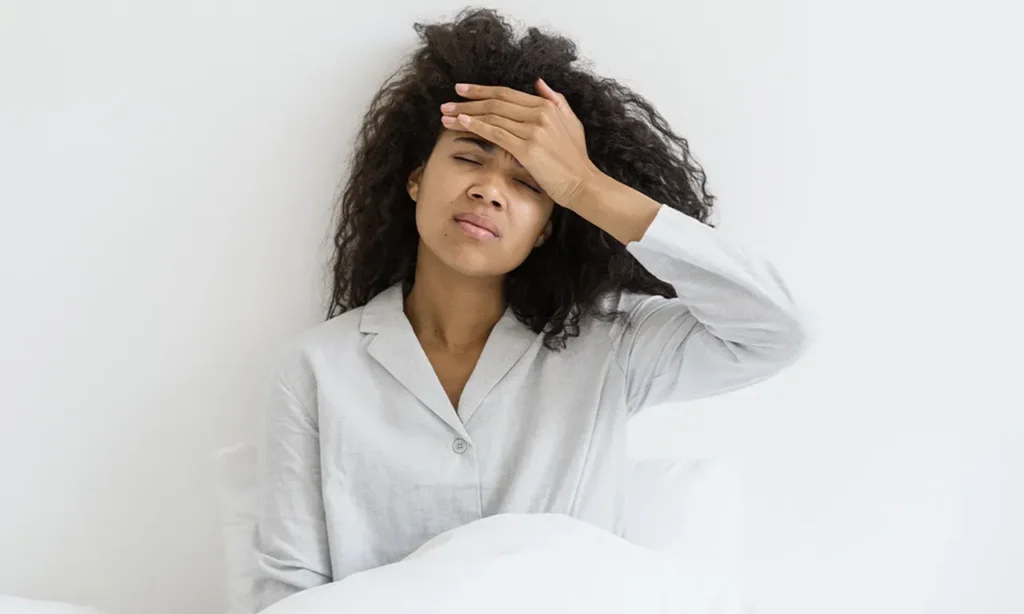
Most people don’t realise their headaches stem from neuromuscular issues. Popping ibuprofen offers temporary relief, but symptoms return – often as “medication overuse headaches”. Relying on pills masks the problem without addressing tight muscles or trigger points, creating a cycle of dependence.
At Elite Performance Therapy, patients rarely walk in requesting dry needling. They book sports massage or physiotherapy but are unaware of advanced options.
Will Dry Needling Help My Headaches?
Absolutely. Dry needling targets trigger points in muscles and tissues, releasing tension that causes or worsens headaches. The four main types:
- Tension headaches – most responsive, as muscle tightness is the root cause.
- Migraines – may not always be neuromuscular but often involve secondary muscle tension that intensifies pain.
- Cluster and sinus headaches – less directly linked but can benefit from reduced neck/shoulder strain.
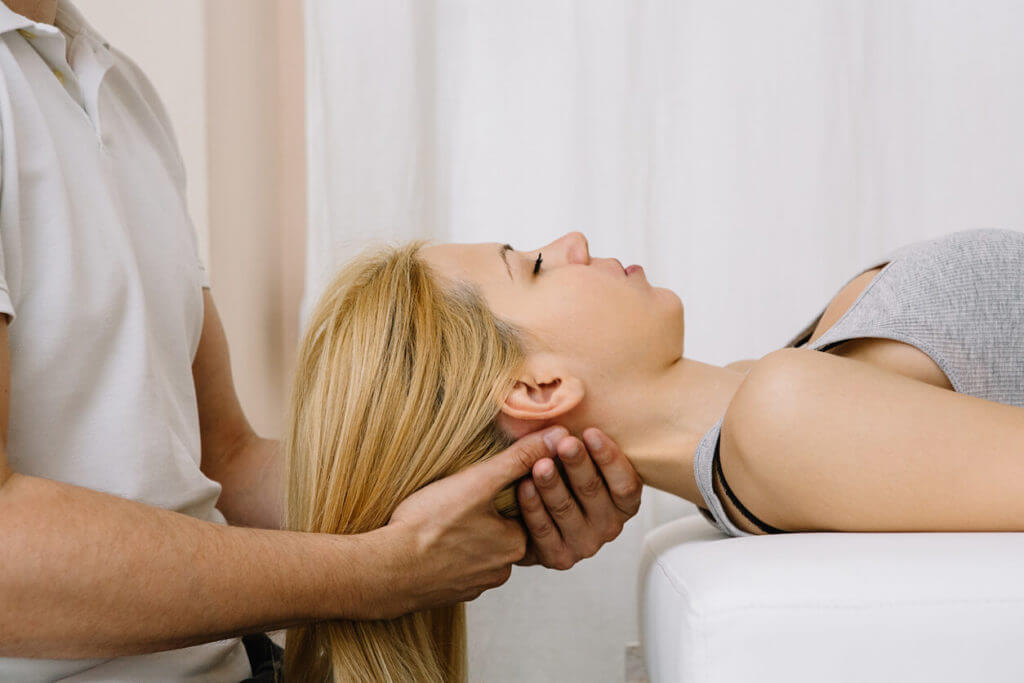
A thorough assessment identifies if your migraine involves muscle tension, nerve irritation, or restricted blood flow. We may combine dry needling with cardiovascular exercise or soft-tissue mobilisation for optimal results.
No single technique stands alone. Dry needling provides rapid relief, but retraining loosened muscles with targeted exercises ensures lasting benefits. Otherwise, old patterns return.
How Do I Know If Muscle Tension Causes My Headaches?
Check for tightness in these common culprits:
- Upper Trapezius
Runs across the upper back, shoulders, and neck. The top area is our most treated for headache patients. - Suboccipital Muscles
At the base of the skull. A frequent tension hotspot – yes, we can needle knots here. - Sternocleidomastoid (SCM)
Along the side and front of the neck. Ties with suboccipitals as the second-biggest headache trigger.
Dry Needling vs Traditional Chinese Acupuncture
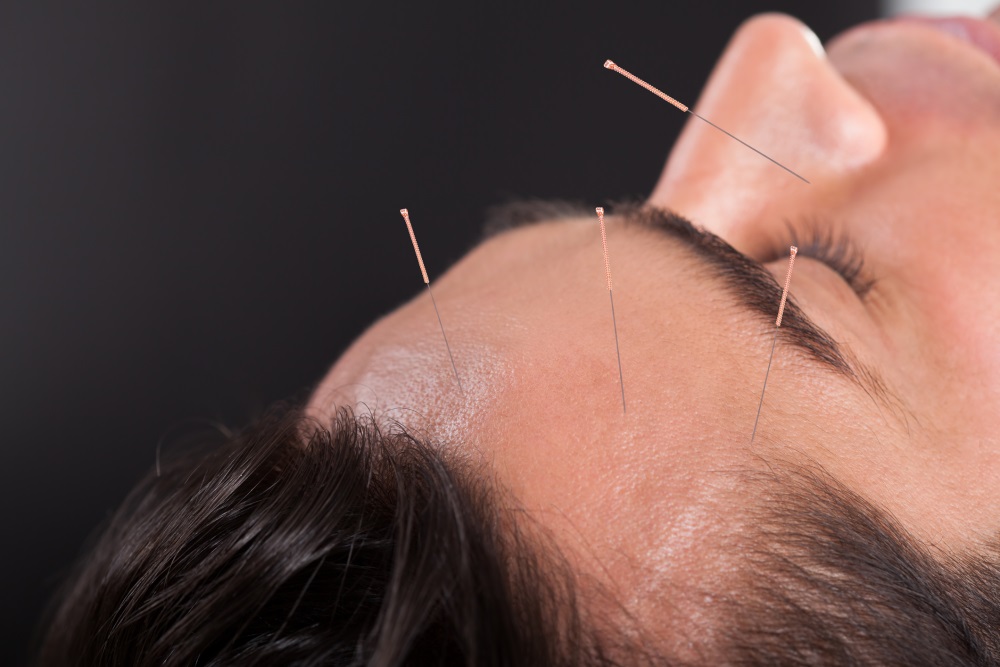
Both use fine monofilament needles, but the approach differs:
- Chinese Acupuncture: Focuses on meridian energy channels.
- Dry Needling: Pinpoints and releases specific muscle knots from within.
Does It Hurt?
Insertion is barely noticeable – many feel nothing. You’ll experience a brief “twitch” (like a mini cramp) as the muscle releases. Expect mild soreness for 2–3 days, similar to post-workout DOMS.
How Quickly Does It Work?
Relief is often immediate. Tension eases after one session, though severe cases may need follow-ups. Like servicing a car, maintenance prevents issues returning but here at Elite Performance Therapy we pair your treatment with prescribed exercises to lock in your new range of motion.
Final Thoughts
Dry needling delivers remarkable results in a single session – a rarity in therapy. As awareness grows, we see it transforming sports medicine, spinal rehab, post-surgical recovery, and beyond.
You’re more in control of your health than you think 🙂 Are you ready to break the headache cycle? Contact us here for a complimentary call or to book your first appointment.